


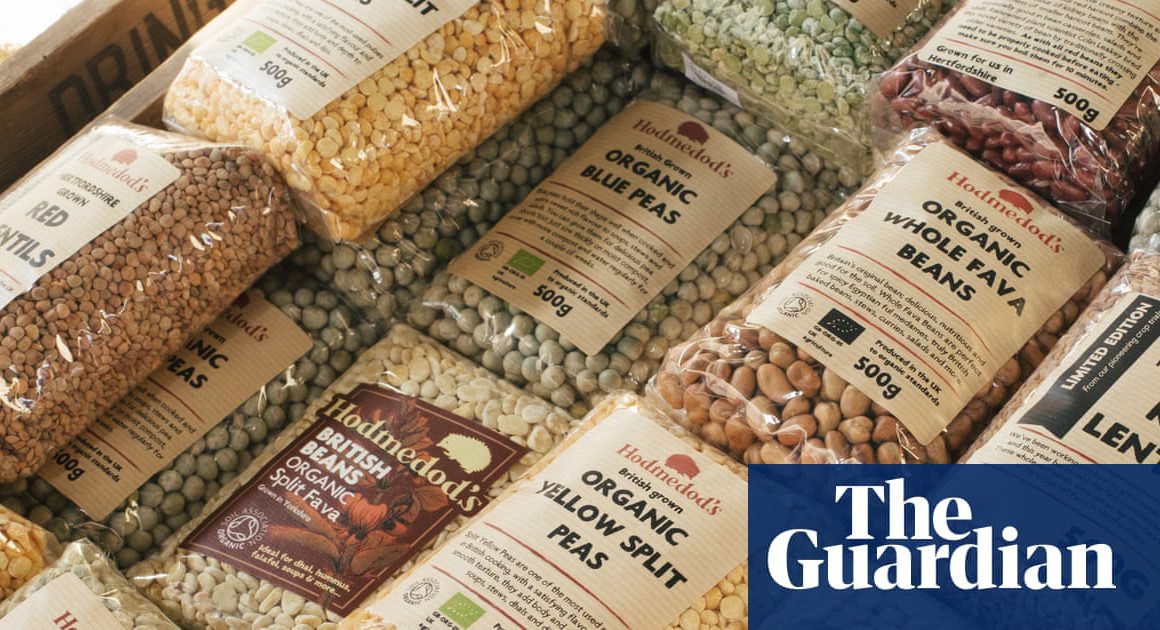
British shoppers are eating more beans, lentils, tofu and tempeh while cutting back on both real meat and plant-based alternatives. The shift is driven by a desire to save money and eat more healthily.
Sales of beans, pulses and soya bean derivatives rose by 7.3% in the first half of 2026 compared with the same period a year earlier, according to an analysis by the climate advocacy group Madre Brava, using data from market research firm NielsenIQ. The increase was led by a 23% surge in sales of cheap dried lentils.
Shoppers also turned to more upmarket legumes, including organic and jarred varieties. Sales of canned and jarred butter beans jumped by 30.3%. That growth was partly driven by new products and brands such as the Bold Bean Co, Navarrico and Marks & Spencer’s own-label, as well as recipes going viral on social media.
Baked beans, once the titans of the supermarket tinned section, initially appeared to have fallen out of favour, with 1.2% fewer cans sold. But the decline is actually down to a drop in cans that also contain sausages.
Fake meats, once seen as the future of vegetarian and vegan diets, also continue to fall out of favour, with 4.3% fewer packages sold. The decline was driven by lower sales of textured soya, pea and wheat protein products, which offset renewed growth in mycoprotein, sold under the brand name Quorn.
“Shoppers are not abandoning plant proteins – they’re shifting toward simpler, higher-fibre foods, whose prices are rising more slowly than food inflation, widening the price gap with meat,” the Madre Brava report said.
“This indicates that, while food inflation and affordability remain key factors, nutrition and health benefits are also driving purchasing decisions.”
Amid high inflation in meat prices, especially for beef and lamb, the amount of meat sold by retailers fell by 1.8% year on year, according to Madre Brava’s analysis of Euromonitor International data.
The evidence of changing diets comes after the launch of the Bang in Some Beans campaign last year, led by celebrity chefs including Jamie Oliver and Hugh Fearnley-Whittingstall and supermarkets, with the aim of doubling UK bean consumption by 2028.
That steps up a longer-term push by campaigners for people to include more legumes in their diets, as they are healthier and more environmentally friendly than meat.
Chloe MacKean, the food business transformation manager at the Food Foundation, said: “We aren’t surprised to see the rise in bean sales. Beans are a triple win for health, sustainability and our wallets.
“They are a healthy and affordable protein source, high in fibre and emit far fewer greenhouse gas emissions than animal protein.”
She said large food companies were also aware of the commercial opportunities of beans, and 29 companies, including Sainsbury’s, Lidl GB, M&S, Subway and Harvester, had all made commitments through the Bang in Some Beans campaign to sell more.
Lidl set a target in 2025 to increase the share of plants as a proportion of its overall protein sales as part of its sustainability objectives. The cut-price chain’s introduction of new products including flavoured tofu has driven a 694% rise in sales of all plant-based foods compared with 2020.