




Bonds are back in the headlines after reaching their highest level since the global financial crisis, with 10-year yields now standing at 5.29 per cent.
While bond yields are rising globally, the UK version, known as gilts, spiked on Tuesday into Wednesday, rising the fastest among G7 nations.
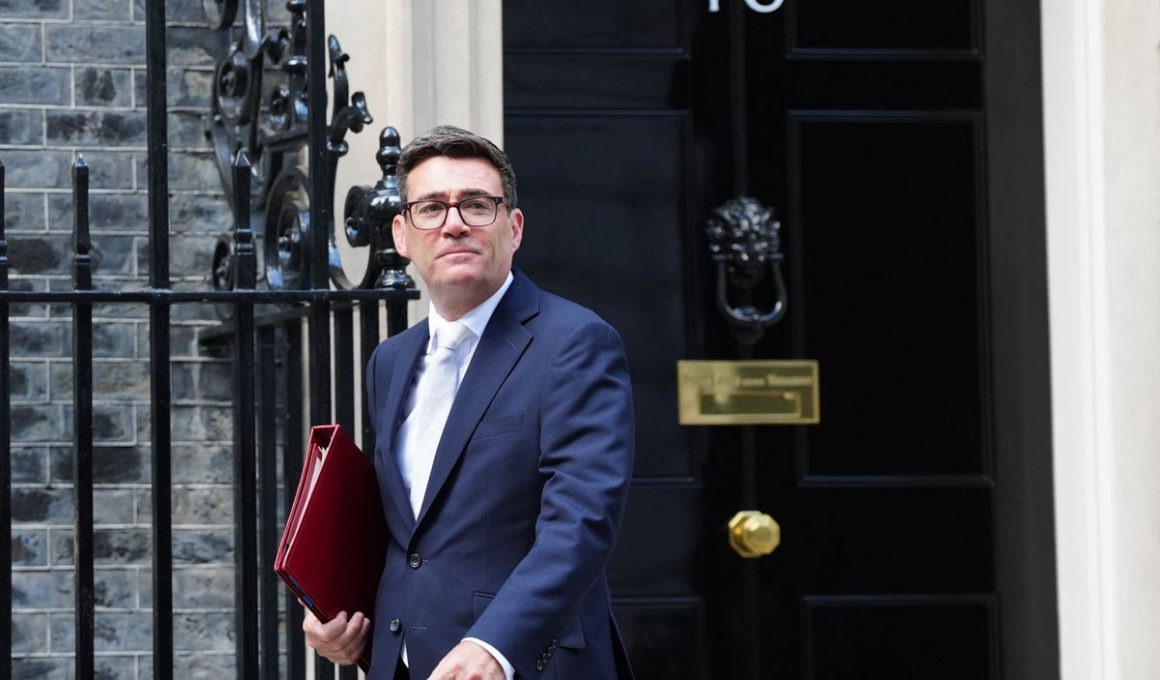
So what is causing it and what does it mean ahead of next month's Budget for Andy Burnham and his chancellor, John Healey?
This is a two-part question: the functional, mathematical reason that yields rise and then the real-world factors that make it happen.
Firstly, when they are in demand and being bought, the price of bonds rises. When they are being sold off, like now, the price goes down. When the price of bonds falls, the yield, the percentage paid out as income to the bond holder, goes up.
That yield reflects the cost of borrowing money that the government has to pay, so the cost of borrowing is on the rise when bonds are being sold.
Why it is happening is a threefold answer.
Primarily, it is the Iran war: the ongoing conflict creates uncertainty and leads to further geopolitical unrest, which money markets do not enjoy.
But the knock-on implications of that are bigger. The Strait of Hormuz shipping route not flowing freely continues to leave oil prices higher, which will push energy costs up, not just for domestic bills but within transport, production and manufacturing, food and farming and beyond. That leads to price increases being passed on to consumers, which is what we call inflation.
Rising inflation is a second factor, because the response from central banks is usually to raise interest rates. Higher interest rates available on cash in the bank mean investors demand a higher premium to lend money. Both the European Central Bank and the Bank of Japan are expected to hike rates this month, while the Bank of England and Federal Reserve could also do so.
Kristalina Georgieva, managing director of the International Monetary Fund, has warned that rising interest rates in the world's strongest economies will have a harmful knock-on effect for developing nations.
And thirdly, there are growing concerns over government debt levels being unsustainable. The US debt pile reached an astonishing $40tn (£29.67tn) last week, leaving some, such as billionaire Ray Dalio, to predict a US debt crisis is likely within a few years.
All of those factors might be global rather than domestic, but there is no escaping their impact for leaders back at home.
That is because as borrowing costs rise, the increased payments must be accounted for in overall government spending, leaving less space for them to promise tax cuts or increased services, due to the decrease in the much-spoken-about fiscal headroom.